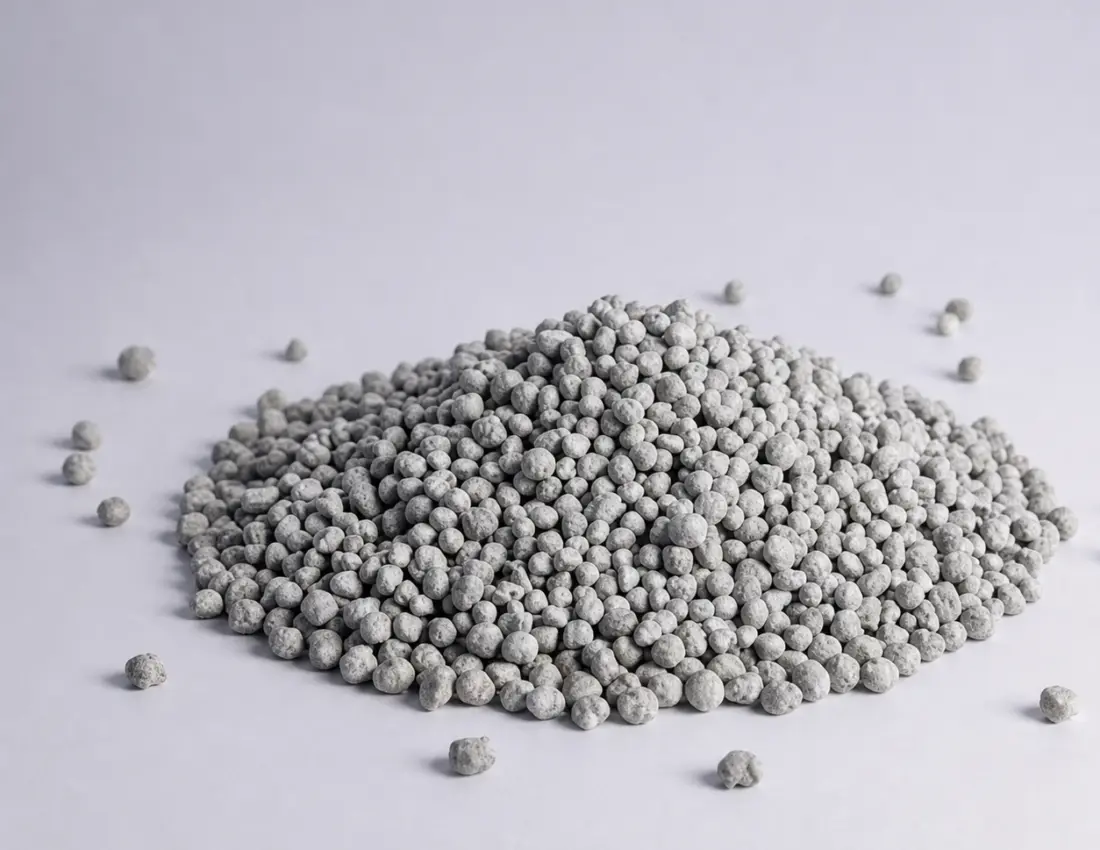
Nitrogen Fertilizers
A primary source of nitrogen, which plants absorb most actively during the growing period — from seed germination through flowering.
Mineral fertilizers are inorganic compounds containing essential nutrients required by plants at different stages of development. Their application helps increase crop yields and improve the quality of agricultural produce. Based on their primary nutrient, mineral fertilizers are divided into four main categories.
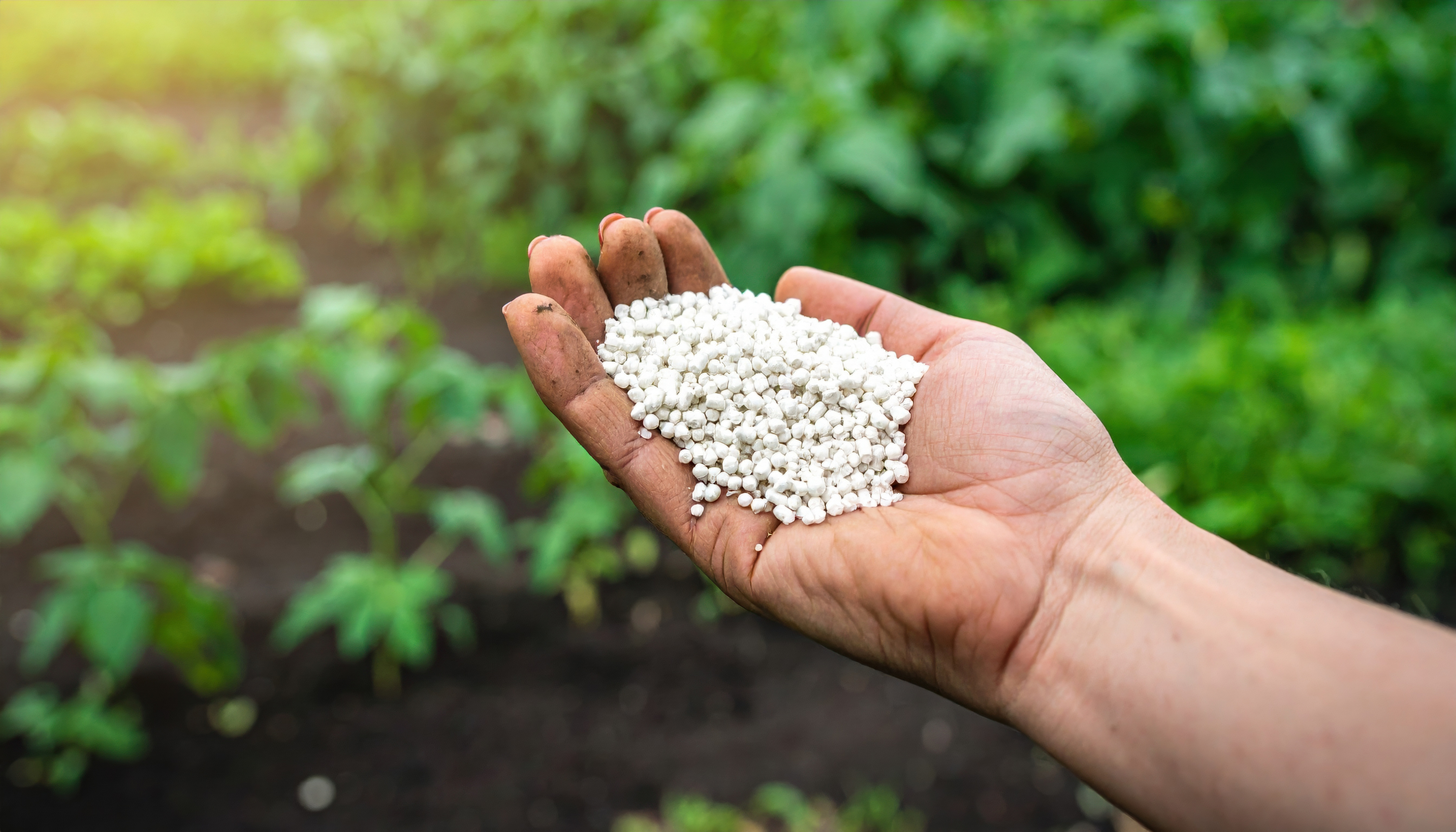
A primary source of nitrogen, which plants absorb most actively during the growing period — from seed germination through flowering.
Play a key role in preparing plants for winter conditions and improving crop resilience.
Essential during seed germination and root system development.
Contain two or more essential nutrients, are suitable for a wide range of soils, and have minimal impact on soil acidity.
Amide Fertilizers
A highly efficient granular fertilizer containing 46% nitrogen, making it the most concentrated solid nitrogen fertilizer. Particularly effective for foliar application and fertigation, especially for cereal crops.
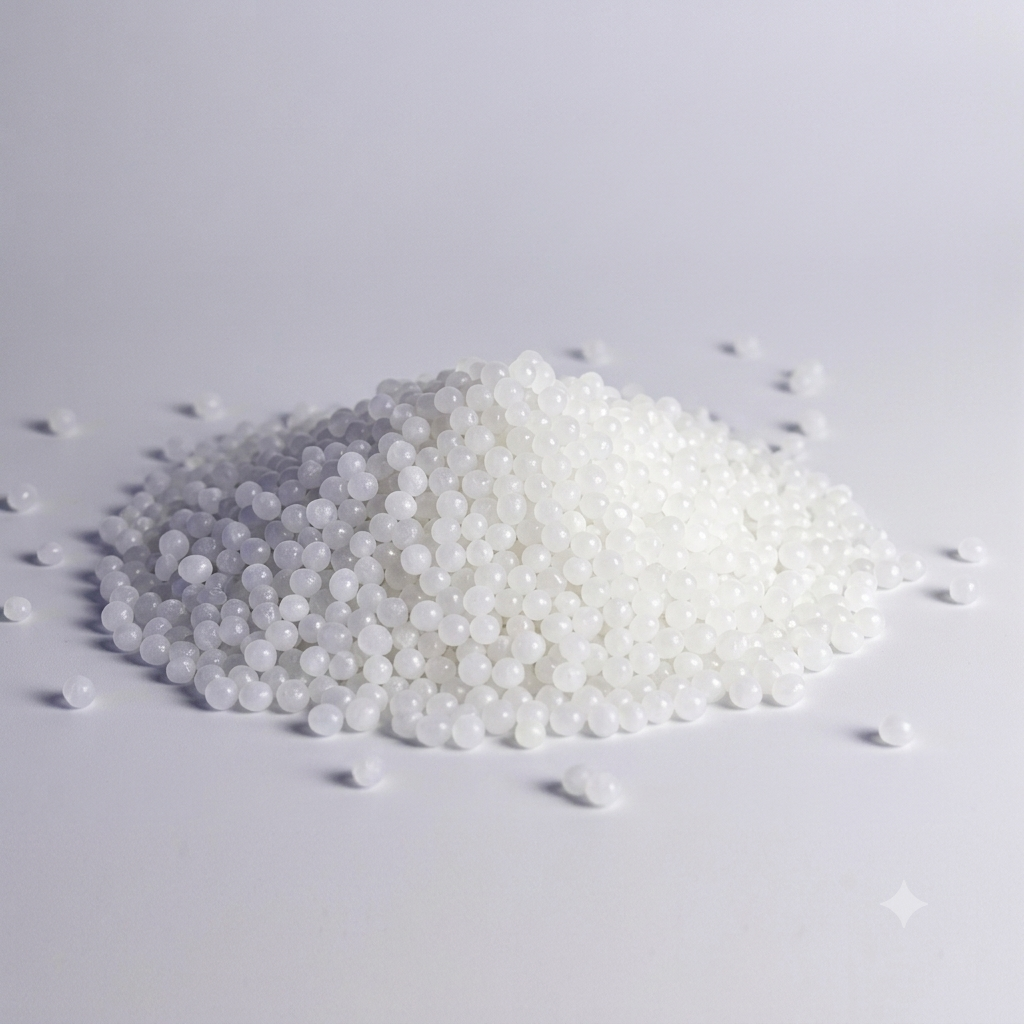
Nitrogen Fertilizer
A highly concentrated nitrogen fertilizer containing approximately 82% nitrogen. Used for pre-sowing soil application for cereals, industrial crops, vegetables, and sugar beet.
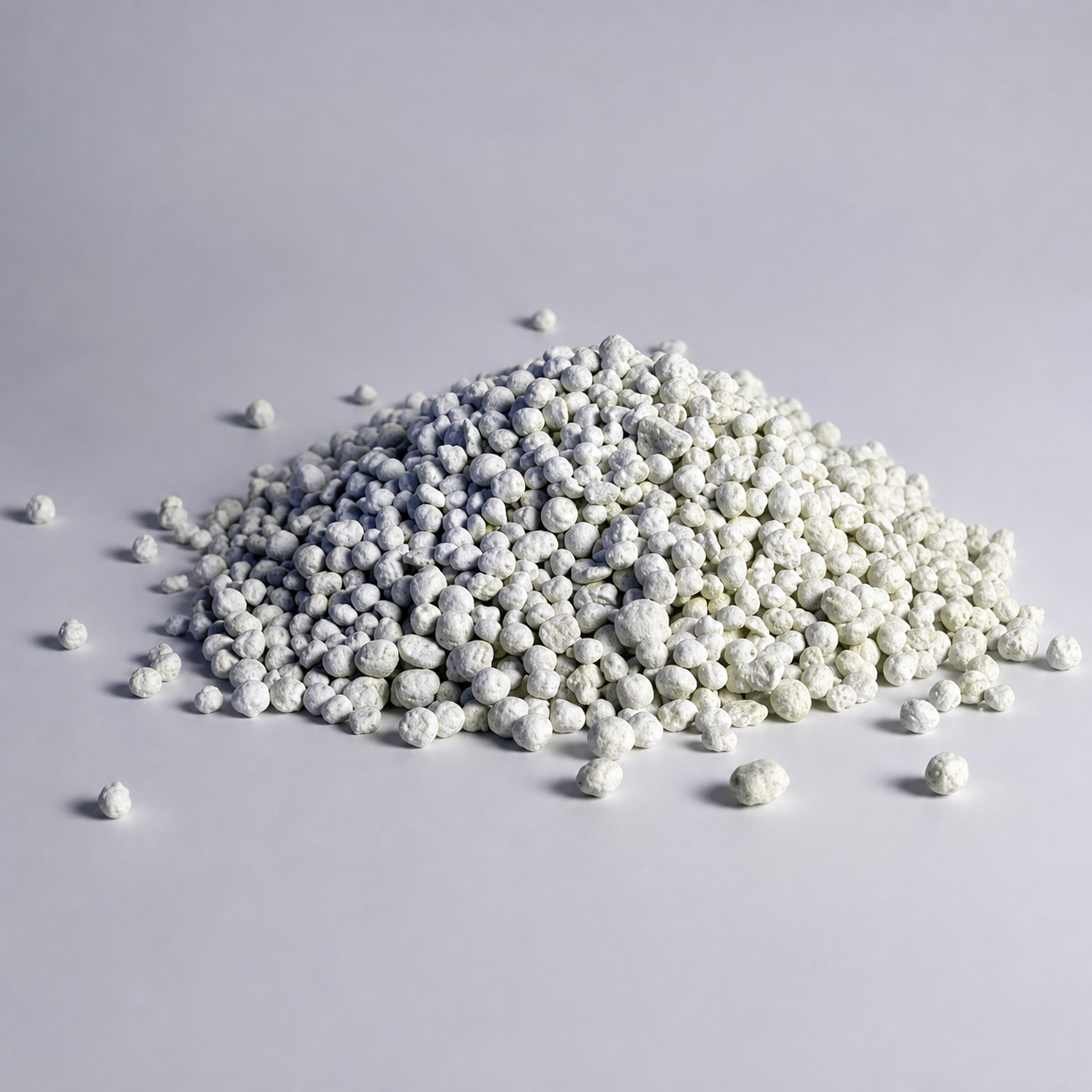
Compound Fertilizer
A versatile, water-soluble nitrogen-phosphorus fertilizer enriched with sulfur, calcium, and magnesium. Suitable for basal and pre-sowing application, as well as for plant nutrition during the growing season.